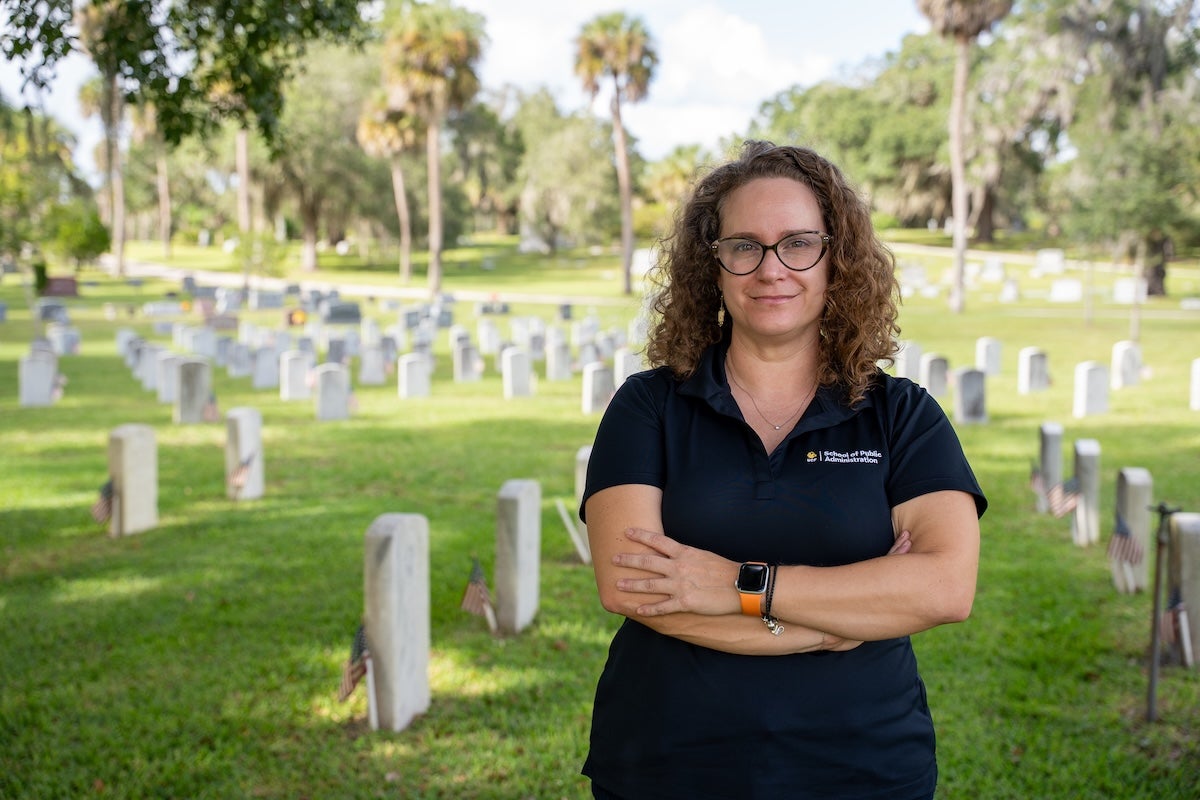
A University of Central Florida expert has explored how cemeteries have evolved as innovative spaces for body disposition in the United States. During the Industrial Revolution, rapid city expansion led to pollution and disease spread, prompting a shift in burial practices. The rural or garden cemetery movement emerged, moving burial grounds away from city centers to prevent disease transmission. Mount Auburn in Massachusetts is credited as the first rural garden cemetery in the U.S., featuring green spaces, planned streets and sculptures that attracted visitors seeking fresh air and recreation.
The deathcare industry has continued to embrace new practices over time. Cremation eventually surpassed in-ground burial as the preferred disposition method globally, though it initially faced religious opposition in Western culture. More recent innovations include natural organic reduction, which is legal in 14 states and converts bodies into soil through a process based on farm technology. Aquamation, or alkaline hydrolysis, offers another alternative to flame-based cremation. Municipal cemetery managers across the country are adapting to these changing practices, with some creating dedicated sections for cremains and exploring green burial options.
Press release issued by UCF Today:
https://www.ucf.edu/news/ucf-expert-explores-the-evolution-of-cemeteries-in-deathcare/
Source: linked above. Spotted something wrong? Email corrections@theorlandoconnect.com.