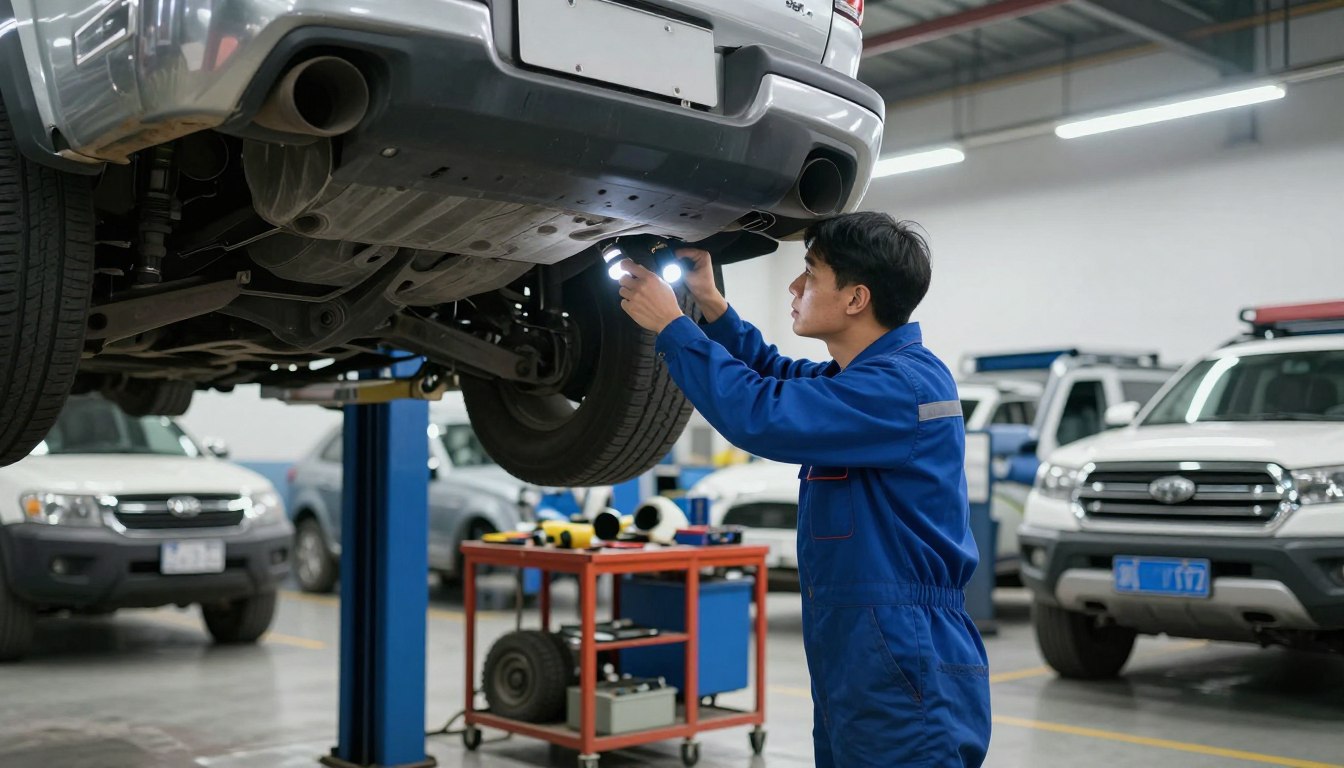
Nearly one in five vehicles bought sight-unseen can be blocked from registration by a failed safety or emissions test, according to guidance published by the Sanford Chamber of Commerce. When an auction car fails inspection after purchase, what a buyer can do depends on who sold the vehicle, the paperwork, and whether any warranty still covers the defect. Inspection here refers to safety and emissions checks that can stop registration, driving, and resale.
Many used car sales list vehicles as is, but that label does not automatically end remedies. Misrepresentation, an express warranty, or state saleability rules can change a buyer's rights. Lemon law routes usually require an express warranty, with California cited as a prime example, and the seller type — dealer, auction house, or private seller — alters disclosure duties and which claims survive disclaimers.
The recommended steps are to document the failed inspection and preserve reports and receipts, compare the listing and seller statements to the defect, check VIN history for warranty and title branding, and identify whether an express warranty exists. A vehicle that drives fine can still fail state checks because tests measure compliance rather than drivability, and branded titles, liens, or VIN mismatches can block re-registration even when a vehicle otherwise meets state standards.
Press release issued by Sanford Chamber of Commerce:
https://www.sanfordchamber.com/auction-car-fails-inspection-after-purchase/
🤖 AI-assisted content notice: This item was written with AI assistance from the source document linked above. The underlying facts come from that public source, not from our own reporting. No quotes, interviews or original reporting are implied. Spotted something wrong? Email corrections@theorlandoconnect.com.
