
Researchers in Lake Nona’s health and life‑sciences cluster are using the near‑weightless environment of orbit to study muscle changes that occur with aging and to explore new approaches to medicine development. Dr Siobhan Malany, a drug‑discovery pharmacologist at the University of Florida, leads work that sends engineered human tissue models to space. The miniature three‑dimensional models are grown from small samples donated by younger and older volunteers and are placed in compact devices that provide nutrients with limited human intervention. In a recent experiment the team applied electrical pulses to cause the lab‑grown muscle to contract; tissue from younger donors showed a decline in contractile ability and gene changes linked to aging when flown, compared with Earth‑based controls and older donor samples in space. The research involves collaborators at AdventHealth and commercial space companies and connects medical studies on Earth with orbital experiments.
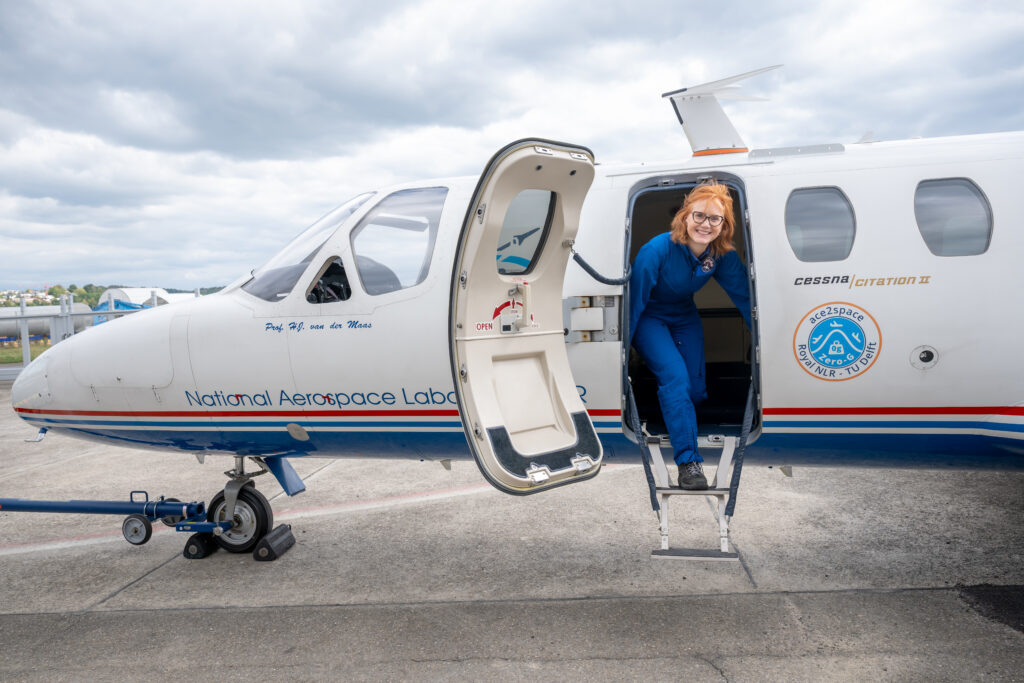
Dr Malany also directs the university’s In‑Space Biomanufacturing Innovation Hub, which supports projects across pharmacy, engineering and food and agricultural sciences through funding, training and partnerships with commercial space firms. The hub’s activities include experiments with human cells, bacteria, plastics and payload hardware on suborbital, parabolic and International Space Station missions. Current investigations focus on whether microgravity can enhance the production of extracellular vesicles—tiny packages that carry repair signals between cells—and on testing compounds such as natural products and antioxidants that might prevent muscle atrophy.
Press release issued by Lake Nona:
https://lakenona.com/blog/why-lake-nona-scientists-are-studying-aging-in-space-to-improve-health-on-earth/
Source: linked above. Spotted something wrong? Email corrections@theorlandoconnect.com.