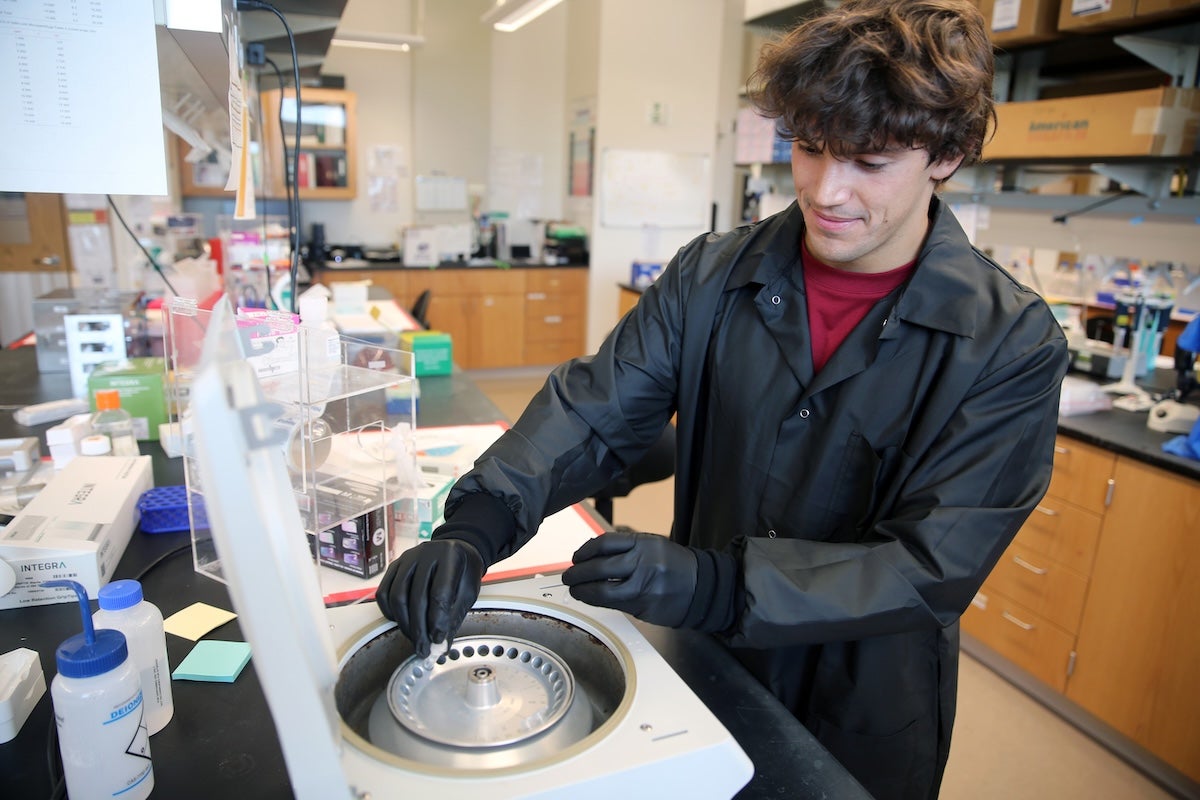
Researchers at the University of Central Florida are exploring whether drugs already approved by the U.S. Food and Drug Administration for other conditions could be repurposed to treat schwannoma tumors. The work, led by UCF College of Medicine Pegasus Professor Cristina Fernández-Valle, has narrowed a field of about 200 potential drugs to 10 of interest, with three emerging as the most favorable targets. The goal is to find new treatment options for patients with Neurofibromatosis type 2-related schwannomatosis.
That genetic disorder causes benign tumors to develop on nerves throughout the body and head, and as they grow they can damage nerves responsible for movement and sensation, including those needed to hear and balance. It affects about one in 25,000 newborns worldwide, according to the Children's Tumor Foundation, with symptoms often appearing during adolescence and early adulthood. When diagnosed in children, the disorder can be severe and may require multiple surgeries during puberty. The foundation is supporting the research with a $280,020 grant.
Current treatments center on surgery and radiation, but removing the tumors can be challenging without damaging critical nerves, and surgery is not curative because tumors can regrow. The research began with an AI model called TxGNN, developed by Marinka Zitnik's laboratory at Harvard Medical School, and researchers at Sage Bionetworks used it to identify about 200 FDA-approved medications that could potentially benefit patients. Fernández-Valle's team then used an imaging system to observe how each drug affected human schwannoma cells, and the most promising candidates, medications currently used to treat conditions as varied as lung cancer and acne, stopped tumor cell growth by impacting different cellular mechanisms.
The work continues, with the scientists determining therapeutic doses for the most promising drugs using patient-derived schwannoma cells and studying how the drugs affect tumor growth pathways at the RNA level. Ultimately they hope their findings will help identify drug combinations tailored to individual patients. Fernández-Valle says the work is encouraging and that, as with many cancers, a combination of drugs may be needed to treat it.
Press release issued by UCF Today:
https://www.ucf.edu/news/ucf-researcher-identifies-10-potential-treatments-for-rare-nerve-tumor-in-children/
🤖 AI-assisted content notice: This item was written with AI assistance from the source document linked above. The underlying facts come from that public source, not from our own reporting. No quotes, interviews or original reporting are implied. Spotted something wrong? Email corrections@theorlandoconnect.com.
