

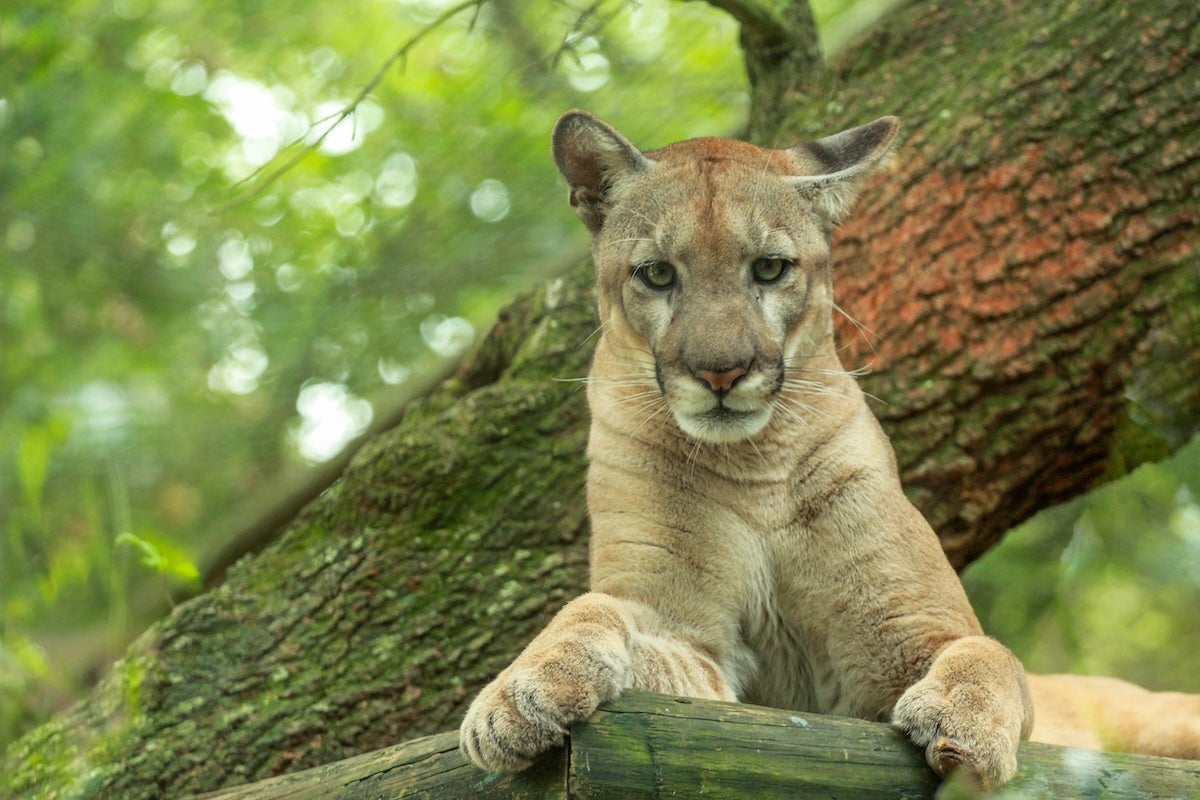
UCF College of Sciences postdoctoral scholar George Zaragoza is studying how Florida white-tailed deer and Florida panthers may respond to changing temperatures and rainfall. The research combines genomic data with habitat suitability models to examine how suitable habitats might shift and whether populations have the genetic variety and adaptive potential to respond.
For white-tailed deer, the work found a latitudinal pattern, with southeastern populations more vulnerable than those farther north. The greatest concerns are in South Florida and the greater Everglades, where projections indicate drier conditions over the next 50 to 100 years, potentially reducing nutrient-rich food sources or making low-lying areas unreachable. The study also identified genes linked to circadian rhythm, metabolism, thermoregulation and immune processes that may help explain how Florida deer are adapted to their environment. For Florida panthers, the central concern is low genetic variety and limited adaptive potential. The population went through a severe genetic bottleneck, and a genetic rescue program in the 1990s introduced Texas pumas, though later research has shown Florida panthers remain a distinct population. The stated aim is to put the findings before wildlife managers for use in conservation measures.
Press release issued by UCF Today:
https://www.ucf.edu/news/ucf-researcher-investigates-how-florida-deer-and-panthers-respond-to-environmental-change/
🤖 AI-assisted content notice: This item was written with AI assistance from the source document linked above. The underlying facts come from that public source, not from our own reporting. No quotes, interviews or original reporting are implied. Spotted something wrong? Email corrections@theorlandoconnect.com.