

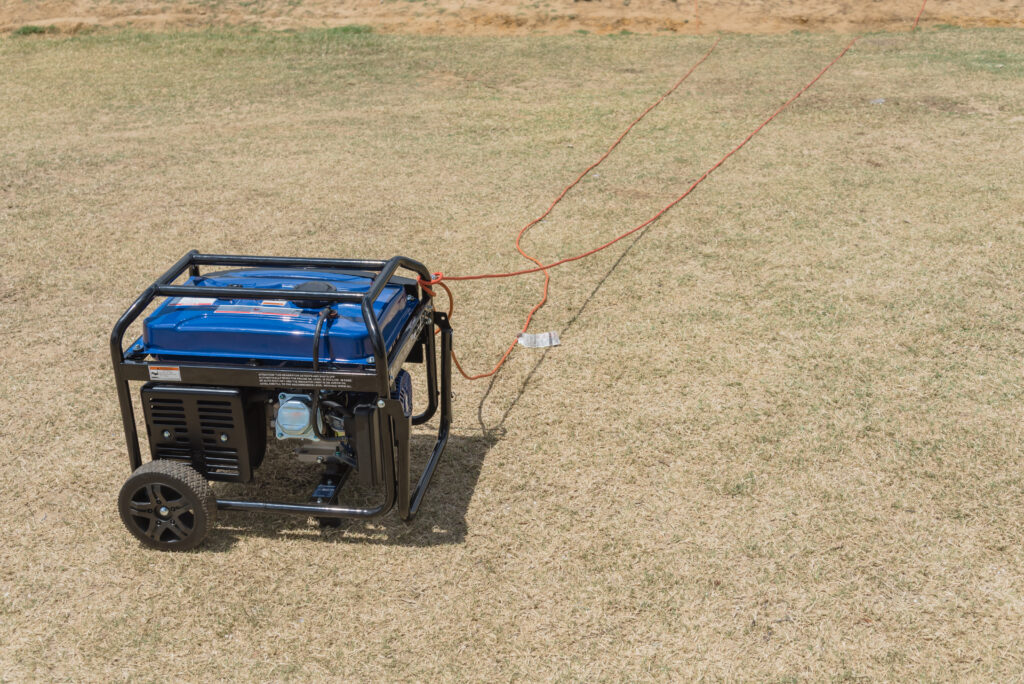
When a major storm causes a power outage in Central Florida, many residents rely on portable generators to keep refrigerators, fans and essential devices running. The city warns that improper placement of generators can lead to carbon monoxide poisoning, which is a leading cause of post‑landfall injuries and fatalities in Florida.
To reduce the risk, generators should be operated outdoors at least 20 feet from the home, with the exhaust directed away from doors, windows, vents and garage openings. Battery‑powered carbon monoxide alarms are recommended on every level, especially near sleeping areas, and anyone who feels dizzy, light‑headed, nauseous or develops a sudden headache while the generator is running should go outside for fresh air and call 911. Fuel should be added only after the engine has cooled for ten to fifteen minutes, and gasoline must be stored in approved sealed containers in a well‑ventilated area away from living spaces.
Appliances should be plugged directly into the generator using heavy‑duty, outdoor‑rated extension cords, and the practice of backfeeding a home by connecting a generator to a standard wall outlet should be avoided because it can send high‑voltage electricity onto the neighborhood grid and endanger utility crews.
Press release issued by City of Sanford:
https://sanfordfl.gov/the-20-foot-rule-keeping-your-family-safe-from-the-invisible-danger/
🤖 AI-assisted content notice: This item was written with AI assistance from the source document linked above. The underlying facts come from that public source, not from our own reporting. No quotes, interviews or original reporting are implied. Spotted something wrong? Email corrections@theorlandoconnect.com.