
Choosing a summer program involves weighing a child’s personality, schedule and budget against the type of experience each camp offers. Traditional summer camps typically emphasize movement, teamwork and a range of activities such as outdoor play, swimming, sports, crafts, nature observation and other recreational options. They may be day or overnight programs and often aim to build independence, broad life skills and social interaction for high‑energy children.
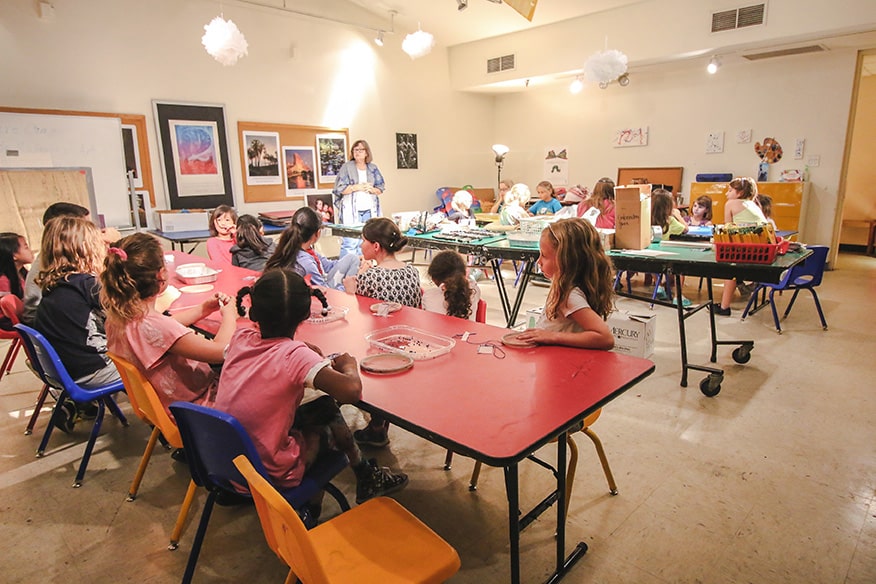
Art camps provide a different focus, centering on the development of artistic skills through drawing, painting, sculpture, mixed media and printmaking. Organized by age or grade level, these camps allow children to work on projects from start to finish, encouraging sustained attention, creativity and self‑expression. They are often held in museum spaces where participants can draw inspiration from displayed works and can suit a variety of temperaments, including those who prefer a quieter, more focused environment.
Both camp types aim to deliver fun and confidence, but traditional camps tend to produce friendships and broad social experiences, while art camps result in completed artworks and artistic growth. Each is designed for different interests and needs, offering distinct settings and outcomes for children during the summer.
Press release issued by Orlando Museum of Art:
https://omart.org/news/summer-camp-vs-art-camp/
🤖 AI-assisted content notice: This item was written with AI assistance from the source document linked above. The underlying facts come from that public source, not from our own reporting. No quotes, interviews or original reporting are implied. Spotted something wrong? Email corrections@theorlandoconnect.com.